

Maple syrup is a natural sweetener loved by many. It’s a key part of North American cooking. Knowing how many carbs it has is interesting for those who care about their health and food.
This golden liquid comes from maple trees. It’s not just for breakfast. Each tablespoon has about 13 grams of carbs, which is important for those watching their sugar and calorie intake.
Experts see maple syrup as more than just sugar. It has minerals and antioxidants, unlike refined sugars. It’s a good choice for those looking for natural sweeteners instead of processed ones.
Looking into maple syrup’s nutrition is important. It helps those who manage their diet understand its carbs, how it affects blood sugar, and its health benefits. This knowledge helps people see how maple syrup can fit into different diets.
Exploring maple syrup’s nutrition is fascinating. It’s a journey from its natural start to its complex nutritional makeup. Maple syrup is a topic of interest for food lovers and health enthusiasts in the U.S.
What Makes Maple Syrup a Unique Natural Sweetener
Maple syrup is a special natural sweetener with a rich history and unique traits. It’s not just sweet; it’s packed with nutrients. The carbs in maple syrup come from the sap of maple trees, making it different from artificial sweeteners.
The making of maple syrup starts in North America’s cold forests. Skilled sugarmakers extract sap from maple trees. This process turns simple sap into a rich, flavorful sweetener with great nutritional benefits.
The Traditional Production Process
Creating maple syrup involves several steps that make it special:
- Tapping maple trees during late winter and early spring
- Collecting raw sap using specialized collection systems
- Boiling the sap to concentrate sugars and remove water
- Filtering and grading the final syrup product
Natural vs Artificial Maple Syrup Differences
Natural and artificial maple syrup have different carbs. Pure maple syrup has natural sugars and minerals. Artificial syrups often use corn syrup and fake flavors.
Natural maple syrup is a true culinary treasure, with authentic flavor and real nutritional value.
Sugarmakers are proud to keep traditional methods alive. They ensure each bottle captures the essence of maple trees.
Breaking Down Maple Syrup Nutrition Facts
Maple syrup is more than just sweet. It has a complex mix of nutrients. This natural sweetener has sugars and other compounds that are good for you. A detailed analysis of maple syrup’s nutritional profile shows its unique makeup.
The carbs in maple syrup are mostly natural sugars. Here’s a breakdown:
- Sucrose: Primary sugar content (around 66%)
- Glucose and fructose: Secondary sugar components
- Trace minerals: Zinc, manganese, calcium
Nutrition experts say maple syrup is rich in minerals. One tablespoon contains approximately:
- 26% daily recommended manganese
- 2% daily recommended zinc
- Significant potassium levels
Maple syrup has 24 unique antioxidants. This makes it more than a simple sweetener. These antioxidants could offer health benefits, setting maple syrup apart from refined sugars.
The glycemic index of maple syrup is 54. This is a moderate level for blood sugar. It’s a good choice for those watching their carbs but wanting a natural sweetener.
Carbs in Maple Syrup: A Detailed Look
Knowing the carb count in maple syrup is important for those watching their diet. Pure maple syrup has a special nutritional profile. Its carb makeup is key to its nutritional value.
Simple vs Complex Carbohydrates in Maple Syrup
Maple syrup is mostly simple carbohydrates, which the body absorbs quickly. The carbs in maple syrup are mostly natural sugars. These sugars give fast energy but raise blood sugar levels fast.
- Simple sugars: 98% of total carbohydrates
- Primarily sucrose
- Minimal complex carbohydrate content
Daily Value Percentages
Knowing the carbs in pure maple syrup helps with meal planning. A 1/4 cup serving has about 52 grams of carbs. This is a big part of the daily recommended amount.
| Serving Size | Total Carbs | % Daily Value |
|---|---|---|
| 1 tablespoon | 13 grams | 4% |
| 1/4 cup | 52 grams | 17% |
Portion Size Considerations
It’s important to control portion sizes to manage carbs. Moderation is key when enjoying maple syrup. Smaller amounts help keep dietary goals while enjoying this natural sweetener.
- Use measuring spoons for accurate portions
- Limit serving to 1-2 tablespoons
- Consider diluting with water or using sparingly
Understanding Sugar Content in Pure Maple Syrup
Pure maple syrup is a natural sweetener with a unique sugar profile. It has sucrose, glucose, and fructose, which give it a special flavor and nutritional benefits.
Looking at the sugar composition of maple syrup, we find a rich nutritional landscape. Maple syrup contains natural sugars that are different from refined white sugar or artificial sweeteners. The breakdown is typically:
- Sucrose: Primary sugar, approximately 66%
- Glucose: Around 22% of total sugar content
- Fructose: Roughly 12% of sugar composition
The complex sugar structure of maple syrup offers more than sweetness. Nutritionists recognize that these natural sugars come with additional benefits, including trace minerals and antioxidants that are absent in processed sugar alternatives.
Maple syrup’s sugar content provides a more nuanced approach to sweetening. Unlike refined sugars, the natural sugars in maple syrup are accompanied by beneficial compounds that support overall nutritional value. Sugarmakers carefully extract and process maple sap to preserve these unique sugar characteristics.
Consumers seeking a more natural sweetener can appreciate maple syrup’s complex sugar profile. The sugar in maple syrup provides a rich, complex sweetness that goes beyond simple caloric content, making it a preferred choice for health-conscious individuals.
Caloric Density of Maple Syrup Explained
Knowing how many calories are in maple syrup is important for those watching their diet. Pure maple syrup is a natural sweetener with a unique calorie count. It’s different from other sugar substitutes.
Maple syrup has about 52 calories per tablespoon. This makes it a rich source of energy. Its calorie content comes from its natural sugar, mainly sucrose.
Calories Compared to Other Sweeteners
Looking at maple syrup calories compared to other sweeteners shows some interesting facts:
- Honey: 64 calories per tablespoon
- White sugar: 49 calories per tablespoon
- Agave nectar: 60 calories per tablespoon
- Maple syrup: 52 calories per tablespoon
Impact on Daily Caloric Intake
Adding maple syrup to your diet needs careful portion control. Even though its calories are natural, too much can add up fast.
Nutritionists suggest using maple syrup in moderation. They recommend no more than 1-2 tablespoons a day. Moderation is key when enjoying this delicious natural sweetener.
Pro tip: Use maple syrup as a strategic flavor enhancer, not as a main calorie source.
Maple Syrup’s Glycemic Index and Blood Sugar Impact
Knowing the maple syrup glycemic index helps us make better food choices. It affects blood sugar levels in a way that’s different from refined sugars. This makes it a good choice for those who care about their health.
The glycemic index (GI) shows how fast foods raise blood sugar. Maple syrup’s GI is between 54-65, which is in the medium glycemic range. This means it causes a moderate rise in blood sugar compared to other sweeteners.
- Pure maple syrup has a lower glycemic impact than white sugar
- Contains natural minerals that may slow sugar absorption
- Provides a more stable energy release
Nutrition experts say to eat maple syrup in small amounts, if you’re watching your blood sugar. It has some good points, but don’t overdo it.
| Sweetener | Glycemic Index | Blood Sugar Impact |
|---|---|---|
| Maple Syrup | 54-65 | Moderate |
| White Sugar | 68-70 | High |
| Honey | 58-62 | Moderate |
If you have diabetes or follow a special diet, talk to a healthcare expert about maple syrup’s glycemic index. Knowing its nutritional facts can help you make better food choices.
Essential Minerals and Vitamins in Maple Syrup
Maple syrup is more than just sweet. It’s packed with nutrients that boost health. This natural sweetener has a lot to offer beyond its sugar content.
Pure maple syrup is rich in minerals. Each drop is full of nutrients that help keep us healthy.
Key Nutritional Components
- Manganese: Supports bone health and metabolism
- Zinc: Boosts immune system function
- Calcium: Promotes strong bone development
- Potassium: Helps regulate heart and muscle functions
- Magnesium: Aids in energy production
Antioxidant Properties
Maple syrup is full of antioxidants. Researchers have found over 24 different types. These help fight off cell damage and reduce inflammation.
Beneficial Compounds
Maple syrup has special compounds beyond vitamins and minerals. These natural elements offer health benefits. It’s more than just a sweetener.
- Polyphenols: Natural compounds with anti-inflammatory properties
- Quebecol: A unique compound found only in maple syrup
- Phenolic compounds: Support cellular health
While maple syrup should be enjoyed in moderation, it’s not just empty calories. Knowing its nutritional facts helps us make better food choices.
Comparing Different Grades of Maple Syrup

Maple syrup comes in various grades, each with unique characteristics. These impact its flavor, color, and carbs in maple syrup. Knowing these differences helps consumers make better nutritional choices.
The United States Department of Agriculture recognizes four primary maple syrup grades:
- Golden Color, Delicate Taste: Lightest grade with mild flavor and minimal carbohydrate density
- Amber Color, Rich Taste: Slightly darker with more pronounced maple flavor
- Dark Color, Robust Taste: Deeper color and stronger maple characteristics
- Very Dark Color, Strong Taste: Most intense flavor profile
The grade doesn’t change the carbs in maple syrup much. But, it does affect the syrup’s mineral content and antioxidant levels. Darker grades usually have more beneficial compounds and slightly higher minerals.
Nutritional differences between grades are small. Each tablespoon of pure maple syrup has about 13-14 grams of carbs, no matter the grade. Sugarmakers process each grade carefully to keep nutritional values consistent.
Selecting a maple syrup grade depends more on personal flavor preference than nutritional concerns.
For those looking for lower carbs, focus on portion control, not grade. Pure maple syrup is a natural sweetener with trace minerals. It’s a healthier choice than refined sugars.
Low-Carb Alternatives to Traditional Maple Syrup
Looking into low carb maple syrup options can change the game for health-focused people and those on special diets. Maple syrup fans don’t have to give up their nutritional goals with tasty alternatives available.
People looking for sugar-free options have many exciting choices. These options bring the taste of traditional maple syrup without breaking dietary rules.
Natural Sugar-Free Options
Natural low carb maple syrup alternatives offer great flavors with little nutritional impact. Some top picks include:
- Monk fruit-based maple syrup substitutes
- Stevia-sweetened maple-flavored syrups
- Erythritol-based maple syrup alternatives
These sugar-free maple syrup alternatives have almost no calories, making them perfect for strict diets.
Artificial Maple-Flavored Substitutes
For those on a budget, artificial maple-flavored substitutes are a cost-effective choice. Keto-friendly maple syrup replacements offer similar tastes but with fewer carbs.
Artificial options include:
- Synthetic maple flavoring
- Zero-calorie liquid sweeteners
- Chemical flavor compounds that mimic maple taste
Choosing the right alternative depends on individual dietary needs, taste preferences, and nutritional goals.
Portion Control and Serving Recommendations
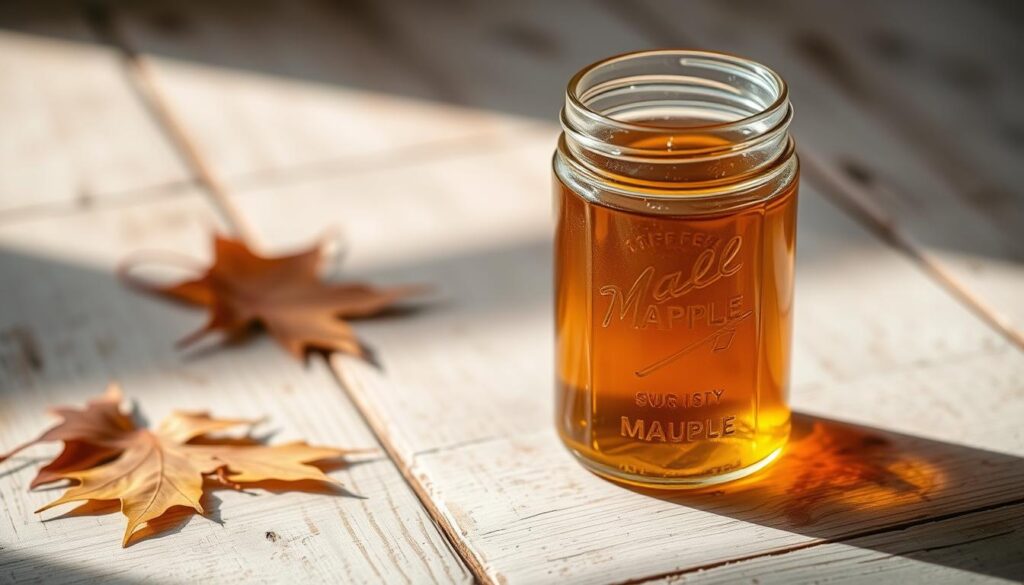
Knowing the carb count in maple syrup is key for eating mindfully. A standard serving is 1 to 2 tablespoons. This can greatly affect your daily diet. Nutrition experts suggest measuring maple syrup to keep your diet balanced.
- Use a tablespoon to measure exactly
- Stick to 1-2 tablespoons a day
- Keep an eye on your sugar intake
Depending on your activity level, you might need to adjust how much maple syrup you use. Athletes might use it for quick energy. But, if you’re watching your weight, be more careful.
| Serving Size | Carbohydrates | Calories |
|---|---|---|
| 1 Tablespoon | 13.4g | 52 |
| 2 Tablespoons | 26.8g | 104 |
Pro tip: Use smaller measuring spoons and drizzle sparingly to control your maple syrup intake effectively.
Remember, moderation is key when enjoying this delicious natural sweetener.
Maple Syrup in Various Dietary Plans
When following dietary plans, it’s important to know what you’re eating. This includes understanding the carbs in maple syrup. It’s key for those on specific diets.
Different diets have different views on maple syrup. Nutritionists say traditional maple syrup has a lot of sugar. This makes it hard for some diets.
Keto and Low-Carb Considerations
Ketogenic and low-carb diets struggle with traditional maple syrup. It has too many carbs, which can stop ketosis. People looking for low-carb options need to find other sweeteners.
- Standard maple syrup contains approximately 13 grams of carbs per tablespoon
- Keto-friendly alternatives include stevia-based maple syrups
- Monk fruit sweeteners provide zero-carb maple-flavored options
Paleo Diet Compatibility
Paleo dieters have a special view of maple syrup. Pure, unprocessed maple syrup is okay for paleo. It’s a natural sweetener.
- Maple syrup offers trace minerals absent in refined sugars
- Moderation remains key for paleo diet implementation
- Selecting pure, organic maple syrup ensures alignment with paleo principles
Choosing the right maple syrup and controlling portions is key. This is true for any special diet.
Health Benefits and Potentials Drawbacks
Maple syrup has a mix of health benefits and things to think about. It’s more than just sugar, but knowing its effects on health is key.
Maple syrup’s nutrition facts show some good points:
- It’s full of antioxidants that fight cell damage
- It has important minerals like zinc and manganese
- It has small amounts of good stuff
Nutrition experts see maple syrup as better than refined sugars. Its natural start gives it special benefits over processed sweets.
“Maple syrup is not just a sweetener, but a complex natural food with health-promoting properties.” – Nutrition Research Institute
But, maple syrup also has downsides to watch out for:
- It has a lot of sugar, which can affect blood sugar
- It’s very calorie-dense
- It can be easy to eat too much
| Nutritional Aspect | Benefit | Potential Concern |
|---|---|---|
| Mineral Content | Zinc, Manganese | Limited quantities |
| Antioxidants | Cellular protection | Not a primary source |
| Sugar Profile | Natural sugars | High glycemic impact |
Using maple syrup in your diet should be in moderation. People with health issues should talk to doctors about how much to eat.
Best Practices for Storage and Usage
Storing maple syrup right is key to keeping its carbs and nutrients. Sugarmakers know how to handle it to keep the syrup’s flavor and nutrients safe.
For storing maple syrup, picking the right temperature and container is important. Keep unopened bottles in a cool, dark spot. Opened syrup needs to be in the fridge to stay good.
- Store unopened maple syrup in a cool, dark place
- Refrigerate opened bottles within 3-6 months
- Use airtight containers to prevent contamination
- Keep away from direct sunlight and heat sources
Knowing how much carb maple syrup has helps with eating right. A serving has about 13 grams of carbs. This is important for those watching their diet.
| Storage Method | Duration | Temperature |
|---|---|---|
| Unopened Pantry | Up to 1 year | 50-70°F |
| Refrigerated | 6-12 months | 32-40°F |
| Freezer | Indefinite | 0°F or below |
Cooking with maple syrup is fun. The trick is to balance its sweetness with carbs. It’s great for baking and making marinades.
Pro tip: Always use clean utensils when scooping syrup to prevent bacterial growth and extend shelf life.
Sustainable Production and Environmental Impact
Pure maple syrup is more than a tasty sweetener. It shows how farming can be done in a way that’s good for the environment. This method helps keep forests healthy and supports local people.
Sugarmakers use methods that are kind to the earth. They take care of maple trees and harvest them in a way that keeps the forest healthy. This helps the trees live longer and the forest stay strong.
- Maple trees remain unharmed during syrup extraction
- Sustainable tapping methods protect tree longevity
- Forest biodiversity is maintained through responsible practices
Maple syrup is made with a simple process that doesn’t harm the environment. Native woodland management is key to keeping these areas safe.
“Maple syrup production is nature’s perfect sustainable agriculture model” – Forest Conservation Experts
Maple syrup production has big benefits for the environment. Maple forests help take in carbon dioxide from the air. They also provide homes for many animals.
When we choose pure maple syrup, we help protect nature. We support farming that keeps landscapes beautiful and promotes balance in nature.
Conclusion
Maple syrup is a complex natural sweetener with unique nutritional values. It has a lot of carbs, but it’s more than just sugar. The maple syrup nutrition facts show it has trace minerals, antioxidants, and special flavors.
People looking for balanced nutrition should use maple syrup with care. It has a high glycemic impact and calories. Knowing how much to use can help enjoy its taste without harming your diet.
Maple syrup is more than just its nutritional facts. Its handmade production, eco-friendliness, and cultural importance make it special. Those who value natural foods will like maple syrup’s real production and health perks when used wisely.
Making smart food choices means knowing what you eat. Maple syrup, with its detailed nutritional profile, shows natural foods can do more than just fill calories. By using maple syrup with knowledge and in moderation, you can appreciate its unique qualities while keeping your diet balanced.


