


Maple syrup is a beloved American treat with a rich history. It’s made using traditional methods. The flavors of dark and light maple syrup are quite different.
Every drop of pure maple syrup has a story. Sugarmakers in North America carefully collect it from maple trees. They make syrup that ranges from light amber to dark.
Dark vs light maple syrup offers a wide range of tastes. Light syrup is sweet and subtle, perfect for early in the season. Dark syrup, collected later, has a rich, caramel flavor that chefs love.
The differences in syrup go beyond looks. They show the different stages of sap collection. Whether you love breakfast, cooking, or natural foods, knowing about maple syrup can change your cooking.
This journey into maple syrup reveals its true value. It’s not just a sweetener. It’s a showcase of nature’s flavors and the skill of those who make it.
Understanding the Basics of Maple Syrup Production
Pure maple syrup is made from tree sap, a tradition passed down through generations. It involves careful harvesting, precise processing, and knowing when to do it. This knowledge is key to making great maple syrup.
The Traditional Harvesting Process
First, you need to pick the right trees. Sugarmakers look for mature sugar maple trees that are at least 40 years old and 10 inches wide. The process includes several important steps:
- Identifying healthy maple trees in late winter or early spring
- Drilling small holes called tapholes into the tree bark
- Inserting spiles to collect the flowing sap
- Collecting sap using traditional buckets or modern tubing systems
From Tree to Table: Processing Methods
Turning raw sap into maple syrup is a precise art. The syrup’s color and flavor come from how it’s boiled. This boiling process is what makes different maple syrup grades.
| Processing Stage | Key Activities | Duration |
|---|---|---|
| Sap Collection | Gathering raw maple sap | 4-6 weeks |
| Evaporation | Boiling sap to concentrate sugars | 6-8 hours |
| Filtering | Removing impurities | 1-2 hours |
Seasonal Impact on Syrup Production
The weather is very important for making maple syrup. The best weather has cold nights and warm days. This makes the sap flow well. Sugarmakers watch the weather closely to get the best syrup.
- Best production season: Late February to early April
- Optimal temperature range: 40°F during day, 20°F at night
- Average sap-to-syrup ratio: 40:1
Dark vs Light Maple Syrup: Key Differences Explained
The world of maple syrup is full of flavors and colors that tell a story. Maple syrup flavors change a lot between dark and light types. This gives food lovers a chance to try new things.
Dark vs light maple syrup is more than just color. The time of year it’s made matters a lot. Light syrup comes out early, while dark syrup is made later.
- Early Season (Light Syrup): Delicate, mild flavor profile
- Late Season (Dark Syrup): Intense, robust taste with caramel undertones
Sugarmakers watch the sap’s sugar and flavor closely. Dark syrup has more sugar and minerals. This makes it taste stronger and more maple-like.
| Characteristic | Light Maple Syrup | Dark Maple Syrup |
|---|---|---|
| Color | Golden | Deep Amber to Mahogany |
| Flavor Intensity | Mild | Strong |
| Mineral Content | Lower | Higher |
Chefs love the different tastes of maple syrup. They pick light or dark syrup based on what they’re making. Dark syrup is great for glazes and desserts because of its strong taste. Light syrup is better for pancakes and recipes that need a little sweetness.
The Color Grading System of Pure Maple Syrup
Pure maple syrup is a culinary treasure with a special grading system. This system helps us understand its quality and what makes it unique. The color grading tells us about the syrup’s flavor, where it comes from, and when it was made.
The grades of maple syrup show the differences in color, taste, and sugar content. Sugarmakers sort their syrup carefully. This ensures that we know what we’re getting and can make good choices.
USDA Grading Standards
The USDA has a detailed grading system for pure maple syrup. It sorts syrup by color and how much light it lets through:
- Golden Color, Delicate Taste: Lightest grade, subtle flavor
- Amber Color, Rich Taste: Slightly darker, more pronounced maple flavor
- Dark Color, Robust Taste: Deep color with strong maple characteristics
- Very Dark Color, Strong Taste: Most intense maple flavor
International Grading Classifications
While the USDA standards are well-known, other countries might grade maple syrup differently. These differences show how maple syrup is made in various places and what people there like.
Each grade of pure maple syrup offers a unique taste experience, showing the complexity of this natural sweetener.
By knowing these grading standards, we can pick maple syrup that fits our taste. Whether you like a light, sweet taste or a bold, rich one, there’s a syrup for you.
Flavor Profiles of Light Maple Syrup Varieties
Light maple syrup has a delicate taste that shows the true essence of maple. These syrups are the most refined, with a subtle sweetness. They are perfect for those who love complex flavors.
Light maple syrups come in different flavors, each appealing to different tastes. Knowing these flavors helps you pick the right syrup for your dishes.
- Golden Color Light Syrup: Delicate, mild flavor with subtle hints of vanilla
- Amber Color Light Syrup: Slightly more pronounced sweetness with gentle caramel undertones
- Delicate Maple Essence: Clean, pure taste with minimal complexity
Sugarmakers work hard to keep light maple syrup’s delicate taste. They harvest it early in spring. This makes the syrup lighter and more refined.
| Syrup Variety | Flavor Intensity | Best Culinary Uses |
|---|---|---|
| Golden Light | Very Mild | Pancakes, Dessert Toppings |
| Amber Light | Mild to Moderate | Baking, Glazes |
Light maple syrup adds a sophisticated sweetness to dishes. It’s loved by chefs and home cooks for its ability to enhance flavors without overpowering them.
Rich Characteristics of Dark Maple Syrup Types
Dark maple syrup is a true culinary gem. It has deep flavors that make it stand out from lighter syrups. These syrups capture the essence of maple production, adding a unique touch to many dishes.
The unique taste of dark maple syrup comes from how it’s made. Sugarmakers harvest sap later, which makes the syrup darker and more flavorful.
Robust Taste Elements
Dark maple syrup offers a bold flavor experience. It has:
- Deeper caramel undertones
- Stronger woody notes
- More intense maple essence
- Richer molasses-like qualities
Cooking Applications
Dark maple syrup is not just for breakfast. It’s loved by chefs and home cooks for its ability to add depth to dishes.
| Culinary Category | Dark Maple Syrup Application |
|---|---|
| Savory Dishes | Glazes for meats, marinades |
| Baking | Rich dessert ingredients |
| Sauces | Reduction bases, flavor enhancers |
Dark maple syrup has a more intense flavor than light syrup. It’s perfect for recipes that need a deep, complex sweetness. This sweetness enhances other flavors without overpowering them.
Nutritional Comparison Between Dark and Light Syrups
Maple syrup is more than just sweet. It has dark and light types, each with its own health benefits. Knowing these benefits helps us make better food choices.
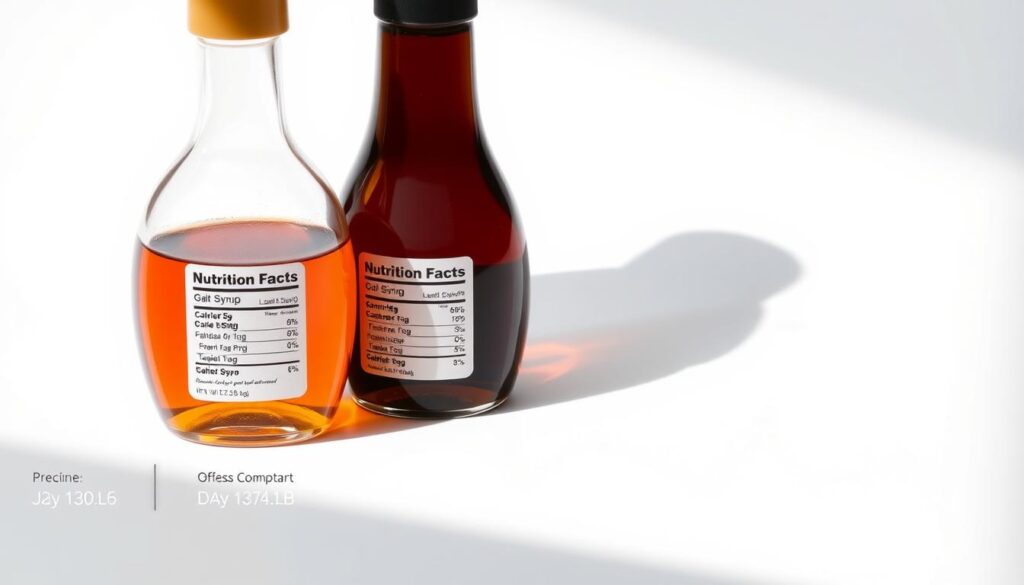
The differences between dark and light maple syrups are small but important. Dark syrup has more minerals and antioxidants than light syrup.
| Nutrient | Light Maple Syrup | Dark Maple Syrup |
|---|---|---|
| Mineral Content | Lower | Higher |
| Antioxidant Levels | Moderate | Significantly Higher |
| Zinc | 3-4 mg per 100g | 5-6 mg per 100g |
| Manganese | 1-2 mg per 100g | 2-3 mg per 100g |
Maple syrup has many benefits:
- It’s a good source of essential minerals.
- It has natural antioxidants.
- It has a lower glycemic index than refined sugars.
- It may have anti-inflammatory compounds.
Nutritionists say to eat maple syrup in small amounts because it’s high in sugar. Two tablespoons have about 104 calories and 26 grams of sugar.
Even though maple syrup has health benefits, it should not be the main part of your diet.
Best Uses for Light Maple Syrup in Cooking
Light maple syrup adds a delicate flavor to dishes, making them special. Its subtle sweetness is great for many recipes. It’s perfect for adding a touch of sweetness without being too much.
Breakfast Delights
Light maple syrup is a hit in breakfast dishes. It adds a gentle sweetness that enhances flavors without overpowering them. Chefs and home cooks love it for this reason.
- Drizzle over fluffy pancakes
- Blend into morning smoothies
- Glaze french toast with a light touch
- Swirl into yogurt parfaits
Baking Recommendations
In baking, light maple syrup adds just the right amount of sweetness. Bakers say it’s great for delicate and subtle flavors.
- Maple pecan scones
- Maple glazed donuts
- Gentle maple cream puffs
- Light maple cookies
Refreshing Beverage Recipes
Light maple syrup makes drinks special with its subtle sweetness. Mixologists love its refined flavor for making unique drinks.
- Maple iced coffee
- Maple lemonade
- Cocktail sweetener
- Smoothie enhancer
Culinary Applications for Dark Maple Syrup
Dark maple syrup adds a deep, rich flavor to dishes. It turns simple recipes into amazing meals. Chefs and home cooks love it for adding depth to both sweet and savory dishes.
Dark maple syrup is great for creative cooking. Its strong taste is perfect for many uses:
- Meat Glazes: Brush dark maple syrup on roasted pork, chicken, or salmon
- Barbecue Sauces: Create complex marinades with deep caramel undertones
- Baking: Enhance brownies, cakes, and cookies with intense maple flavor
- Breakfast Specialties: Elevate pancakes and waffles with concentrated sweetness
Professional chefs say using dark maple syrup wisely is key. They note its concentrated flavor profile is important.
“Dark maple syrup isn’t just a condiment—it’s a culinary secret weapon” – Professional Chef Michael Richards
Recommended Cooking Techniques
| Cooking Method | Best Dark Maple Syrup Application |
|---|---|
| Grilling | Glazing meats in final cooking stages |
| Baking | Replacing portion of sugar in rich desserts |
| Sauces | Creating complex reduction sauces |
Dark maple syrup is a must-have for bold cooking. It lets home cooks create unforgettable meals. Knowing how to use it can make any dish stand out.
Storage and Shelf Life Differences
Keeping pure maple syrup quality up requires careful storage. Whether you have light or dark syrup, right storage keeps it tasting great longer.
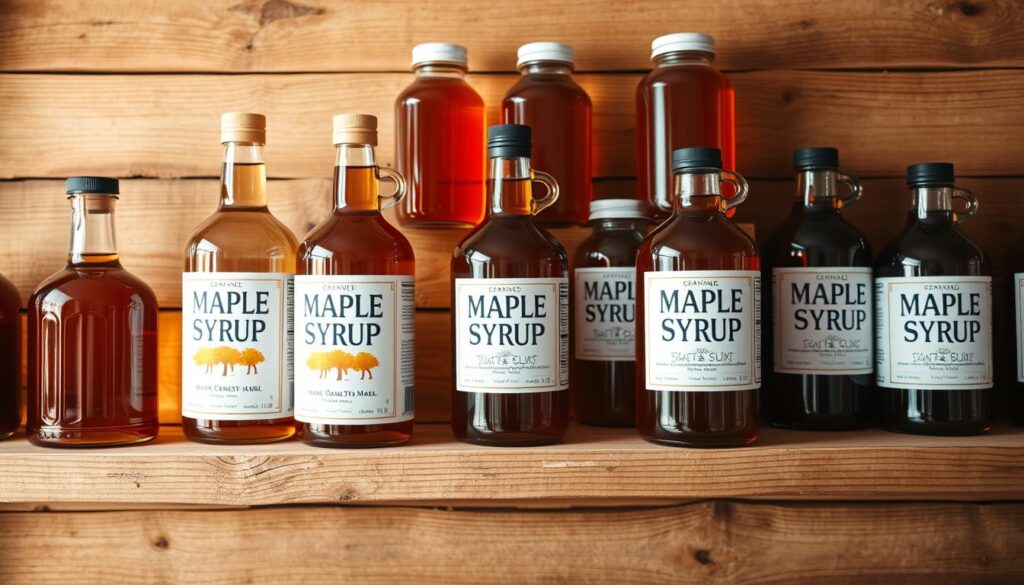
Knowing how to store your pure maple syrup well can make it last longer. Different ways to store it affect its taste and quality.
Optimal Storage Strategies
- Store unopened syrup in a cool, dark pantry
- Refrigerate syrup right after opening
- Use airtight containers to avoid contamination
- Keep it away from sunlight and heat
Shelf Life Expectations
| Syrup Type | Unopened Storage | Opened Storage |
|---|---|---|
| Pure Maple Syrup | Up to 2 years | 1 year |
Identifying Spoilage
Spotting spoilage in maple syrup is key for safety. Look out for these signs:
- Visible mold growth
- Unusual color changes
- Off-putting smell
- Crystallization
- Signs of fermentation
By sticking to these storage tips, maple syrup lovers can enjoy their syrup at its best for longer.
Organic vs Conventional Maple Syrup Options
When choosing between organic and conventional maple syrup, it’s important to know the differences. Organic syrup is made with sustainable farming methods. These methods focus on keeping the environment balanced and using natural ways to make syrup.
The process to get organic maple syrup is strict. Sugarmakers must follow certain rules. They have to show:
- No synthetic pesticides or chemicals in forest management
- Sustainable forest ecosystem preservation
- Responsible tapping practices that protect maple trees
- Compliance with USDA organic regulations
Conventional syrup might be made differently. It could use different processing methods that don’t meet organic standards. The main differences are:
- Environmental stewardship in organic production
- Potential flavor nuances between organic and conventional syrups
- Long-term forest ecosystem health considerations
If you want organic maple syrup, look for the USDA organic label. This label means the syrup meets high environmental and production standards. It ensures you get a product that’s good for the planet and tastes great.
Pricing and Value Considerations
Understanding the price of the best maple syrup involves looking at several factors. These factors affect its market value. The grade of maple syrup is a key factor in setting prices for those looking for quality.
Several key elements impact maple syrup pricing:
- Production complexity
- Harvest season variations
- Maple syrup grades
- Processing techniques
- Regional availability
The cost of the best maple syrup is between $10 and $25 per bottle. This depends on the grade and how it’s made. Pure maple syrup is more expensive because of its unique production and limited season.
When buying maple syrup, consider these value factors:
- Verify the maple syrup grade
- Check production region
- Evaluate packaging quality
- Compare price per ounce
- Consider organic certification
Buying high-quality maple syrup means knowing the differences between grades. Premium grades have stronger flavors. They show the skill of sugarmakers.
“The true value of maple syrup lies not just in its price, but in its rich tradition and exceptional taste.” – Traditional Sugarmaker
Seasonal Availability and Selection Tips
Choosing the right pure maple syrup means knowing when and how to pick it. The maple syrup harvest is all about the weather. So, timing is key for both makers and buyers.
Maple syrup making is a precise art that follows nature’s schedule. Sugarmakers start tapping maple trees in late winter or early spring. This is when the weather is just right, with cold nights and warmer days.
Best Times to Buy Maple Syrup
- Late February through early April: Peak maple syrup production season
- March: Highest quality maple syrup grades typically available
- Local farmers markets: Best source for freshest pure maple syrup
- Specialty food stores: Consistent stock of high-quality maple syrup grades
Quality Assessment Guidelines
When picking pure maple syrup, look for these important signs:
| Quality Indicator | Optimal Characteristics |
|---|---|
| Color | Clear, consistent amber tone without cloudiness |
| Aroma | Sweet, rich maple fragrance |
| Packaging | Sealed glass containers, minimal processing |
| Viscosity | Smooth, consistent liquid flow |
Pro tip: Always check the production date and choose recently harvested maple syrup for the most authentic flavor profile.
Conclusion
The journey through dark vs light maple syrup shows a wide range of flavors and uses. Maple syrup, from light to dark, is more than just a sweetener. It’s a natural treasure that adds depth to our cooking and baking.
Knowing the flavors of maple syrup can change how we cook and bake. Each grade of syrup has its own story, showing the skill and care in making it.
The differences between dark and light syrups come from how they’re made. Whether you like the soft taste of light syrup or the strong taste of dark, there’s a maple syrup for you. It can make your dishes even better.
Trying out different syrups lets us explore new tastes. It connects us to old traditions of making food in a sustainable way. Every bit of maple syrup is a celebration of sweetness and creativity in cooking.
In the end, maple syrup invites us to explore and enjoy its many flavors. It’s a favorite in kitchens everywhere, from simple breakfasts to fancy meals. Dark vs light maple syrup keeps inspiring and pleasing food lovers in the United States.


