
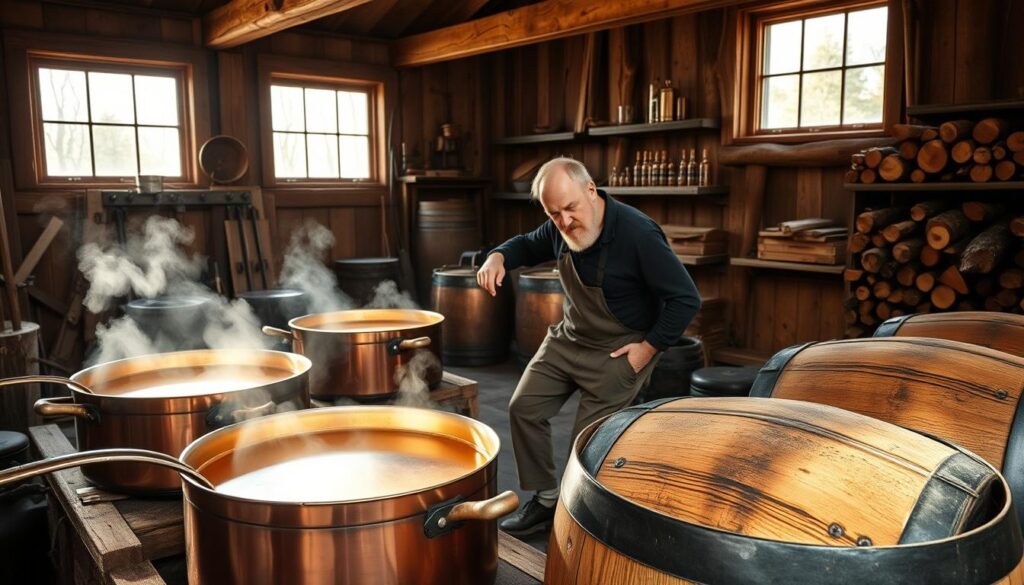

Explore the amazing world of fermented maple syrup. It turns simple maple syrup into a complex, tasty treat. This process combines old ways of making syrup with new fermentation methods.
Fermented maple syrup gives food lovers a special taste. It’s not just another maple product. Thanks to fermentation, it has a rich, tangy flavor that surprises everyone.
The journey of fermented maple syrup starts in North America’s forests. Maple trees give their sap, which is then carefully made into syrup. Skilled makers use special fermentation to bring out amazing flavors. This process adds good bacteria that makes the syrup even better.
Chefs and food lovers are excited about fermented maple syrup. It’s great for cooking and making fancy cocktails. It lets them make old recipes new again and create amazing meals.
This guide will show you the science, history, and possibilities of fermented maple syrup. Get ready for a tasty adventure that will change how you see maple syrup forever.
Understanding Fermented Maple Syrup: A Natural Transformation
Fermenting maple syrup at home is a cool process. It turns regular syrup into a tasty, probiotic-rich treat. This change is more than just keeping it fresh. It creates a special flavor that people love.
The maple syrup fermentation starts with knowing the science behind it. Sugarmakers see fermentation as an art. It’s about making flavors better and adding nutrients.
The Science Behind Maple Syrup Fermentation
Fermentation uses good microbes to change sugars into new compounds. To make fermented maple syrup, you need three key things:
- Natural microbial cultures
- Temperature control
- Fermentation duration
Chemical Changes During Fermentation
During fermentation, maple syrup changes a lot. The sugars turn into:
| Chemical Change | Result |
|---|---|
| Lactobacillus Conversion | Increased probiotic content |
| Sugar Breakdown | Reduced sweetness, enhanced complexity |
| Enzyme Activation | Improved digestibility |
Natural vs. Controlled Fermentation Process
There are two ways to ferment maple syrup at home. Natural fermentation uses what’s around, while controlled uses special cultures. This lets you control the process better.
Professional sugarmakers say knowing these methods is key. It helps get the best flavor and keeps the syrup safe.
The Rich History of Maple Syrup Fermentation
The story of fermented maple syrup goes back centuries. It started with Indigenous communities in North America. They first found out how to change maple sap into syrup, creating new ways to make it.
These early groups used fermentation to keep maple syrup fresh. Maple syrup harvesting was more than just making food. It was a way to connect with nature and each other.
- First Nations communities used fermentation as a critical food preservation method
- Traditional techniques involved wooden spouts and birch bark containers
- Maple syrup fermentation represented a sophisticated understanding of natural transformation
Quebec became key in maple syrup making, with new ways to ferment. Sugarmakers turned simple sap into rich, complex syrup. This syrup showed off the local flavors.
Fermentation was not just a process, but a celebration of nature’s ability to create something amazing.
The journey of fermented maple syrup shows respect for old ways and new ideas. From the start with Indigenous people to today’s makers, it’s a story of creativity and nature working together.
Essential Ingredients and Equipment for Fermenting Maple Syrup
Making fermented maple syrup at home needs careful planning and the right tools. The first step is choosing the best ingredients and equipment for a successful fermentation.
Fermenting maple syrup at home requires precision and the right tools. Before starting, you need to gather the essential equipment. This will help turn your pure maple syrup into a tasty, probiotic-rich treat.
Required Tools and Materials
- Glass fermentation vessels with tight-sealing lids
- Sanitizing solution for cleaning equipment
- Thermometer for monitoring temperature
- Airlock and rubber stopper
- Probiotic culture or wild fermentation starter
Choosing the Right Maple Syrup Grade
The quality of the syrup is key to successful fermentation. Maple syrup grades affect the final taste. Darker syrups usually ferment better, giving a richer flavor.
| Maple Syrup Grade | Fermentation Suitability |
|---|---|
| Golden Color | Mild flavor, less ideal |
| Amber Color | Good fermentation |
| Dark Color | Excellent for fermentation |
Fermentation Vessel Selection
Choosing the right fermentation vessel is important. Glass containers with wide mouths are best. They allow for air while keeping cultures safe.
- Choose non-reactive glass containers
- Ensure vessels have secure, breathable lids
- Select containers with enough headspace for fermentation
With the right tools and preparation, you can make fermented maple syrup at home. It’s a unique, probiotic-rich treat that blends tradition and innovation.
Step-by-Step Guide to Making Fermented Maple Syrup
Making your own fermented maple syrup is a fun journey. It turns regular maple syrup into a tasty, probiotic-rich treat. This recipe will help you make a special syrup at home.
- High-quality pure maple syrup (Grade A or B)
- Probiotic starter culture
- Clean glass fermentation vessel
- Breathable cloth or fermentation lid
- Thermometer
The fermentation process needs your full attention. Follow these steps for a great syrup:
- Choose pure, organic maple syrup without additives
- Warm the syrup to about 110°F (43°C)
- Add your probiotic culture
- Put it in a clean fermentation vessel
- Cover with a breathable lid
Temperature and environment are key in fermentation. Keep the room temperature between 70-75°F (21-24°C). Fermentation usually takes 3-7 days, depending on how strong you like the flavor.
“Patience is the secret ingredient in creating truly remarkable fermented maple syrup.” – Artisan Fermentation Expert
Look for these signs of good fermentation:
| Indicator | Description |
|---|---|
| Aroma | Slightly tangy, complex scent |
| Consistency | Slightly thicker, more viscous |
| Flavor | Deeper, more nuanced maple taste |
Your homemade fermented maple syrup is ready. It will add a special touch to your cooking.
Health Benefits and Nutritional Value
Fermented maple syrup is more than just a sweetener. It’s packed with health benefits thanks to a special fermentation process. This makes it a great choice for those who care about their health.
The fermentation process changes maple syrup into a nutritional powerhouse. It’s filled with health benefits that make it stand out. This traditional food is now seen as a key ingredient for wellness.
Probiotic Properties
Fermentation adds good bacteria to maple syrup. This makes it a probiotic. The good bacteria in it can help your gut health by:
- Promoting beneficial bacterial growth
- Supporting digestive system balance
- Potentially improving immune function
Antioxidant Content
Fermented maple syrup is also rich in antioxidants. The fermentation process boosts the levels of these beneficial compounds. This makes it even healthier than regular maple syrup.
| Antioxidant Type | Regular Maple Syrup | Fermented Maple Syrup |
|---|---|---|
| Polyphenols | 24 mg/100g | 38 mg/100g |
| Flavonoids | 15 mg/100g | 29 mg/100g |
Digestive Health Benefits
Fermented maple syrup is great for your digestive health. The fermentation process breaks down sugars. This makes it easier to digest, even for those with sensitive stomachs.
- Reduced sugar complexity
- Enhanced nutrient bioavailability
- Potential reduction in inflammatory responses
Early studies show that fermented maple syrup is good for a healthy diet. It adds flavor and nutritional value. More research is needed, but it looks promising.
Common Mistakes to Avoid During Fermentation
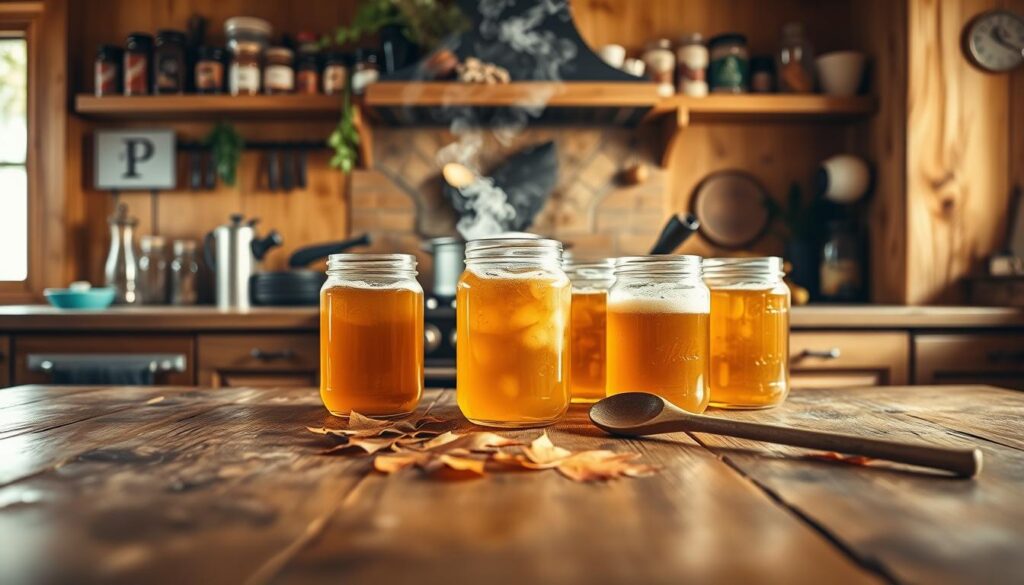
Fermenting maple syrup at home needs precision and careful attention. Many people face challenges that can ruin the fermentation process. It’s important to know these common mistakes to make a successful batch of fermented maple syrup.
Starting with the right steps is key to avoiding mistakes. Sugarmakers say to watch a few important things during fermentation.
- Sanitation is key when fermenting maple syrup at home
- Temperature control affects fermentation quality
- Choosing the right fermentation vessels
- Watching microbial activity
- Managing humidity levels
The biggest errors in maple syrup fermentation come from not being prepared and not watching closely enough. Contamination is the biggest risk to your project.
| Mistake | Potential Consequence | Prevention Strategy |
|---|---|---|
| Unclean Equipment | Bacterial Growth | Sterilize all tools before use |
| Incorrect Temperature | Stalled Fermentation | Maintain consistent 70-75°F range |
| Poor Quality Maple Syrup | Weak Fermentation | Use fresh, high-grade syrup |
Using the right equipment and techniques is what makes fermentation successful. Beginners should spend time learning the details of fermenting maple syrup at home.
Professional sugarmakers say patience and attention to detail are the most important things for successful maple syrup fermentation.
Flavor Profiles and Tasting Notes
Fermented maple syrup is a journey of taste transformation. The fermentation process brings out deeper, more complex flavors. Maple syrup lovers find a world of tastes through fermentation.
To understand fermented maple syrup’s flavors, we look at several key factors:
- Microbial interactions during fermentation
- Original maple syrup grade selection
- Fermentation duration
- Temperature control
Developing Complex Flavors
Making fermented maple syrup is a mix of science and art. The fermentation adds unique bacteria and yeast. These change the syrup’s taste, adding subtle tangy notes to its sweetness.
| Fermentation Stage | Flavor Characteristics | Taste Intensity |
|---|---|---|
| Early Stage | Mild, subtle maple undertones | Low |
| Mid Fermentation | Developing acidic and complex notes | Medium |
| Late Stage | Rich, deep fermented flavor profile | High |
Aging and Maturation Impact
Aging is key to fermented maple syrup’s depth. Longer aging brings out more complex flavors. It turns the syrup into a sophisticated ingredient for cooking.
Creative Culinary Applications and Recipes
Fermented maple syrup makes simple dishes into amazing culinary experiences. Chefs and home cooks are finding new ways to use this special ingredient. They’re making both sweet and savory dishes better with it.
The unique flavor of fermented maple syrup offers endless possibilities in cooking. Home cooks can try out many creative recipes with it:
- Glazed Proteins: Brush fermented maple syrup on grilled meats or roasted vegetables for a tangy-sweet finish
- Salad Dressings: Whisk into vinaigrettes for added depth and complexity
- Baking Enhancements: Replace traditional sweeteners in bread, muffins, and pastry recipes
- Cocktail Mixology: Create unique craft cocktails with a probiotic twist
One favorite recipe is a zesty marinade. Mix fermented maple syrup with garlic, soy sauce, and fresh herbs. It turns chicken or tofu into a gourmet dish. The fermentation adds flavors that regular marinades can’t.
Fermented maple syrup isn’t just a condiment—it’s a culinary adventure waiting to be explored.
Experimental cooks can try new things with this ingredient. They can make simple meals into unforgettable dishes.
Storage and Shelf Life Guidelines
Learning to make fermented maple syrup means knowing how to store it right. The right storage keeps your syrup fresh and full of flavor. It also keeps its health benefits.
Storage is key when making fermented maple syrup. It helps keep the syrup’s special qualities. You need to watch the environment and check for quality signs.
Optimal Storage Conditions
The best place for fermented maple syrup is cool and dark:
- Temperature: Keep it between 40-50°F (4-10°C)
- Container: Dark glass bottles with tight lids are best
- Location: Store in a cool, dark spot or fridge
- Avoid sunlight and heat
Signs of Successful Fermentation
Knowing if your maple syrup fermented well is easy:
| Characteristic | Positive Indicator | Potential Concern |
|---|---|---|
| Color | Slightly darker, rich amber | Unusually cloudy or discolored |
| Aroma | Complex, slightly tangy | Sour or off-putting smell |
| Consistency | Smooth, slightly thicker | Separated or grainy texture |
Watch these signs when storing your syrup. A good syrup can last 3-6 months if stored right.
Pro tip: Always use clean utensils when handling your fermented maple syrup. This helps prevent contamination and keeps it fresh longer.
Top Artisanal Producers and Commercial Brands
Exploring the world of fermented maple syrup reveals a landscape of exceptional craftsmanship. Artisan producers have turned maple syrup fermentation into a true culinary art form. They create products that go beyond traditional sweeteners.
Several standout producers have gained recognition for their exceptional organic maple syrup fermentation techniques. These brands stand out through their meticulous production methods and commitment to quality.
- Green Mountain Fermenters (Vermont) – Known for small-batch fermented maple syrups
- Woodland Craft Syrup Co. (New Hampshire) – Specializes in wild-fermented varieties
- Northern Nectar Artisans (Maine) – Pioneers in probiotic maple syrup production
Each of these best fermented maple syrup brands brings something unique to the market. Their approach transforms traditional maple syrup into a sophisticated culinary ingredient. They offer complex flavor profiles.
| Brand | Specialty | Fermentation Style |
|---|---|---|
| Green Mountain Fermenters | Wild Cultures | Natural Fermentation |
| Woodland Craft Syrup Co. | Forest-Derived Cultures | Wild Fermentation |
| Northern Nectar Artisans | Probiotic Infusions | Controlled Fermentation |
Food enthusiasts appreciate these brands for their commitment to traditional techniques and innovative approaches. The result is a range of products that offer depth, complexity, and unique taste experiences.
Pairing Fermented Maple Syrup with Foods
Fermented maple syrup is more than just a pancake topping. Chefs and home cooks love its unique flavor. Culinary experts say it’s great for many dishes
This syrup’s complex taste is perfect for many foods:
- Cheese Pairings: Sharp aged cheddars and creamy blue cheeses go well with it
- Grilled meats get a sweet, rich flavor from it
- Roasted vegetables taste deeper when drizzled with it
- Craft cocktails get a cool flavor boost
It’s also great for savory dishes. Use it in marinades for salmon, chicken, and pork. The fermentation adds a tangy taste that balances rich foods.
It’s also amazing in sweet dishes. Bakers use it in desserts, making innovative flavor combinations in cakes, ice creams, and pastries. It adds a fancy twist to classic recipes.
For those who like to experiment, fermented maple syrup can turn simple meals into gourmet dishes. The right pairings can create amazing flavors.
Sustainable Practices in Maple Syrup Production
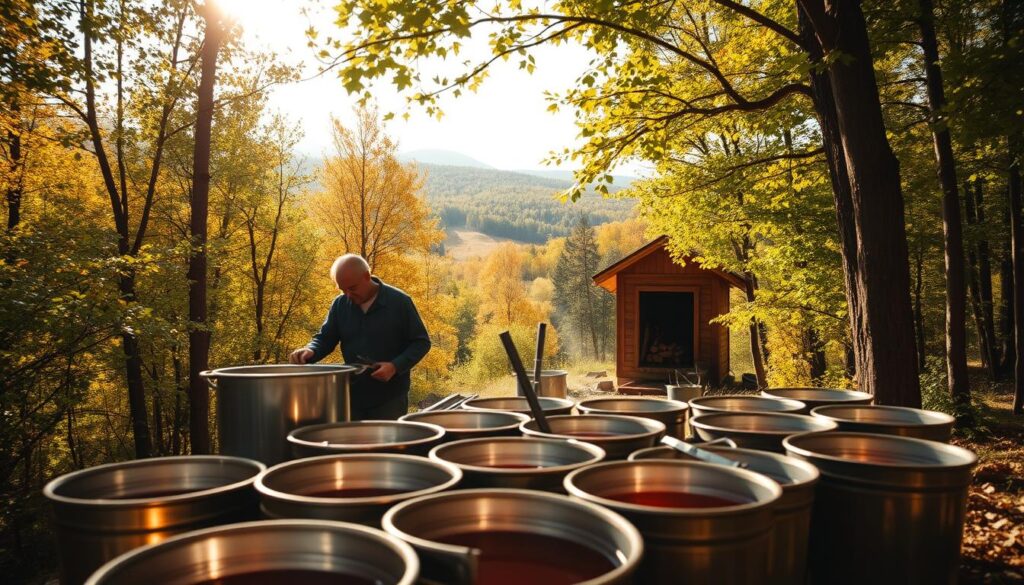
The world of maple syrup is seeing a green change. Now, sugarmakers focus on caring for the environment and the perks of fermented maple syrup.
Today’s maple syrup makers use eco-friendly methods. These methods protect forests and make production more efficient. Fermented maple syrup is not just tasty; it also helps the planet and farming.
Environmental Impact Considerations
Sustainable maple syrup making includes key steps:
- Selective tree tapping to minimize forest damage
- Implementing renewable energy in processing facilities
- Reducing carbon footprint through efficient collection methods
- Preserving biodiversity in maple forest ecosystems
Traditional vs. Modern Production Methods
Maple syrup making has changed a lot for the better:
- Traditional Methods: Labor-intensive, limited ecological understanding
- Modern Approaches: Technology-driven, environmentally conscious techniques
- Advanced Monitoring: Using satellite imagery and climate data for forest management
These new ways show that fermented maple syrup is more than just food. It’s a sign of caring for our planet and farming in a smart way.
Conclusion
Fermented maple syrup is a blend of old traditions and new ideas. It starts with a long history of sugarmaking in North America. Now, it’s used in many creative ways, adding depth to food.
Learning about how to make fermented maple syrup opens up a world of flavors. It shows us the art of making food more complex and interesting.
Fermented maple syrup is more than just a sweetener. It’s loved by chefs and food lovers for its unique taste. It’s also good for you, thanks to its probiotics.
It’s made in a way that’s kind to the planet. This makes it a favorite in kitchens that value both taste and sustainability.
The art of making fermented maple syrup is growing. More people are interested in its natural and complex flavors. This is thanks to the hard work of sugarmakers and the rich history of places like Vermont and Quebec.
Food lovers are excited about what’s next for fermented maple syrup. It’s becoming a key ingredient in many dishes. It’s a sign of how maple syrup is evolving in the world of food.


