In the world of natural sweeteners, maple syrup and molasses are two standout ingredients. They add more than sweetness to your kitchen. The difference between maple syrup and molasses is interesting, covering their origins, how they’re made, and their tastes.
Maple syrup comes from the sap of maple trees in North America. It’s collected in late winter and early spring. Molasses, on the other hand, is made from sugar cane or sugar beets. It’s darker and has a deeper history.
Maple syrup and molasses have different tastes, nutrients, and uses in cooking. Choosing between them is like exploring different cultures, farming methods, and flavors.
Cooks and food lovers value these sweeteners for their unique qualities. Maple syrup is great for breakfast with its light, complex sweetness. Molasses is better for baking and marinades because of its strong, slightly bitter taste. Knowing their differences helps you pick the right one for your recipes.
This guide will take you into the world of maple syrup and molasses. We’ll look at their origins, nutritional values, how they’re made, and their uses in cooking. Get ready to learn more about these amazing natural sweeteners and their stories.
Understanding Natural Sweeteners: A Brief Introduction
Natural sweeteners have been important in human nutrition and cooking for thousands of years. Maple syrup and molasses show a fascinating journey through history. They highlight how we’ve turned raw ingredients into tasty sweeteners.
Humans found natural sweeteners by watching and trying local plants. Indigenous communities in North America were very creative. They found ways to get sweet stuff from their surroundings.
The Evolution of Natural Sweeteners
The making of natural sweeteners like maple syrup and molasses shows big changes in farming and economy. Native American tribes were the first to get sap from maple trees. They started a process that European settlers later used.
- Maple syrup production began with Native American techniques
- Molasses emerged from sugar cane processing in tropical regions
- Both sweeteners represented valuable trade commodities
Cultural Significance in American Cuisine
In American cooking, maple syrup and molasses mean more than just taste. They are key to regional cooking styles. Maple syrup is big in the northeast, while molasses is important in the south.
Each sweetener has its own story, linking us to our farming past and old ways of preserving food. Their lasting popularity shows how much we value natural, simple ingredients.
Maple Syrup vs Molasses: Key Differences Explained
Looking into the differences between maple syrup and molasses shows us two unique natural sweeteners. They have different origins and ways of making them. Both are loved for their rich tastes, but they come from different places and processes.
Maple syrup comes from the sap of maple trees, mainly found in the northeastern U.S. and Canada. Molasses, on the other hand, is made from sugar cane or sugar beets.
- Origin: Maple syrup from maple trees, molasses from sugar processing
- Color: Maple syrup ranges from light golden to dark amber
- Consistency: Maple syrup is thinner, molasses is thick and syrupy
The taste of maple syrup is sweet and delicate, with a hint of wood. Molasses, on the other hand, has a deeper, richer flavor. It tastes like caramel with a slight bitterness.
| Characteristic | Maple Syrup | Molasses |
|---|---|---|
| Source | Maple Tree Sap | Sugar Cane/Beet Processing |
| Color | Light to Dark Amber | Dark Brown to Black |
| Flavor Profile | Sweet, Delicate, Woody | Rich, Caramel-like, Slightly Bitter |
Maple syrup and molasses also differ in what they offer nutritionally. Maple syrup has more minerals like manganese and zinc. Molasses, on the other hand, is rich in iron and calcium. These differences make each sweetener special in cooking and for health.
The Production Process of Maple Syrup
Maple syrup production is a mix of old traditions and new science. It starts with tapping maple trees and ends with a sweet syrup. This syrup is great for cooking and has many uses.
Sugarmakers start tapping maple trees in late winter. This is called the sugaring season. It happens when it’s cold at night and warm during the day. This makes the sap flow well.
Harvesting Maple Sap
Collecting sap is a key part of making syrup. Here’s how it’s done:
- They pick mature maple trees (usually 40-50 years old)
- They drill small holes called tapholes into the bark
- They put in special spouts to guide the sap
- They use buckets or tubing to collect the sap
Boiling and Refinement Methods
To make syrup, sugarmakers boil the sap. They use big evaporators to remove water and keep the sugars. They watch closely to get the syrup just right.
| Sap Collection Method | Efficiency | Modern Usage |
|---|---|---|
| Traditional Bucket Method | Low | Artisanal Production |
| Tubing System | High | Commercial Production |
Grading Systems and Quality Control
Maple syrup is graded by color, taste, and how light it lets through. The grade affects how it’s used. Lighter syrups are good for baking, while darker ones are better for cooking.
- Golden Color: Mild flavor, early season harvest
- Amber Color: Rich taste, medium intensity
- Dark Color: Strong maple flavor, late season production
How Molasses is Made: From Sugar Cane to Table
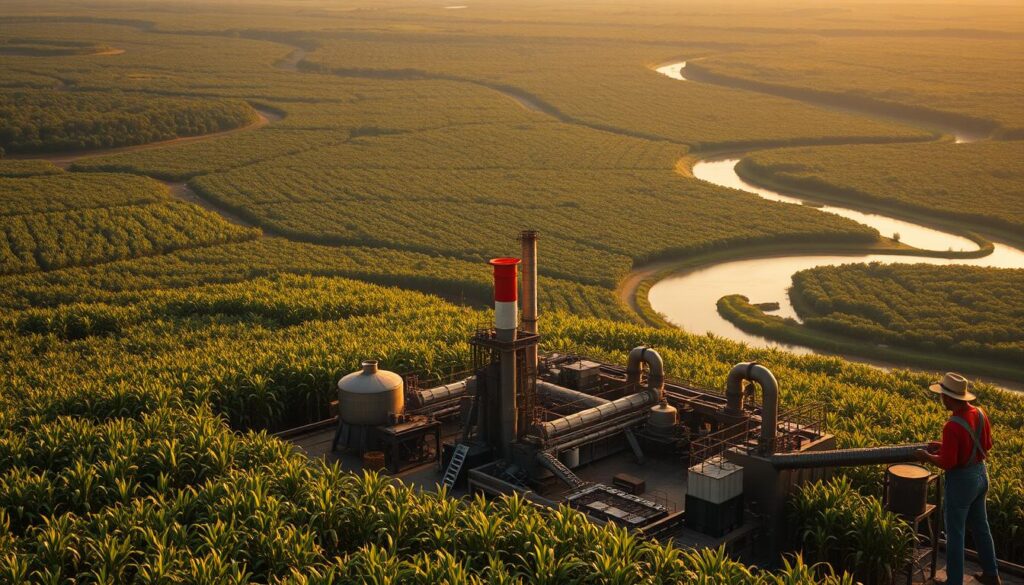
Molasses is a byproduct of sugar making, with deep roots in farming. It goes from sugar cane to molasses through many steps. These steps turn raw materials into a sweetener that’s useful in many ways.
The process starts with growing sugar cane or sugar beets in warm places. These crops are then processed to make different types of molasses. Each type has its own taste and uses in cooking.
- Sugar cane is first crushed to get its juice
- The juice is boiled and crystallized several times
- The leftover liquid becomes various molasses types
Sugar refineries make three main types of molasses:
| Molasses Type | Color | Flavor Profile | Common Uses |
|---|---|---|---|
| Light Molasses | Golden Brown | Mild, Sweet | Baking, Marinades |
| Dark Molasses | Deep Brown | Robust, Slightly Bitter | Gingerbread, BBQ Sauces |
| Blackstrap Molasses | Very Dark | Strong, Intense | Nutritional Supplements |
Unlike maple syrup, which comes from maple trees, molasses is a byproduct of sugar making. Maple syrup and molasses have different production methods and uses.
Each type of molasses has its own taste and health benefits. They are important in cooking and food making around the world.
Nutritional Comparison: Breaking Down the Health Benefits
When we look at maple syrup and molasses, nutrition is key. Both natural sweeteners are more than sweet. They offer health benefits that refined sugar doesn’t.
The maple syrup vs molasses nutrition profile shows interesting differences. These differences are important for health-conscious consumers. Each sweetener has its own set of nutrients, making them more than simple sugar substitutes.
Vitamin and Mineral Powerhouses
Natural sweeteners are packed with nutrients. Here’s a look at their key nutrients:
- Maple Syrup:
- Rich in manganese
- Contains zinc
- Provides calcium and potassium
- Molasses:
- High in iron
- Excellent source of magnesium
- Contains calcium and potassium
Caloric and Sugar Content
Knowing the caloric values helps choose the right sweetener. Both maple syrup and molasses are calorie-dense. They have slight variations in sugar content.
| Sweetener | Calories per Tablespoon | Sugar Content |
|---|---|---|
| Maple Syrup | 52 | 13.4g |
| Molasses | 58 | 14.9g |
Antioxidant Properties
The antioxidant profile of these natural sweeteners is impressive. Dark maple syrup and blackstrap molasses have high levels of beneficial compounds. These compounds help fight oxidative stress in the body.
While both sweeteners have nutritional benefits, the choice depends on individual needs. Moderation is key when adding them to a balanced diet.
Flavor Profiles and Taste Characteristics
The maple syrup vs molasses taste profile opens up a world of natural sweeteners. Each one has its own unique flavor that changes how we taste food.
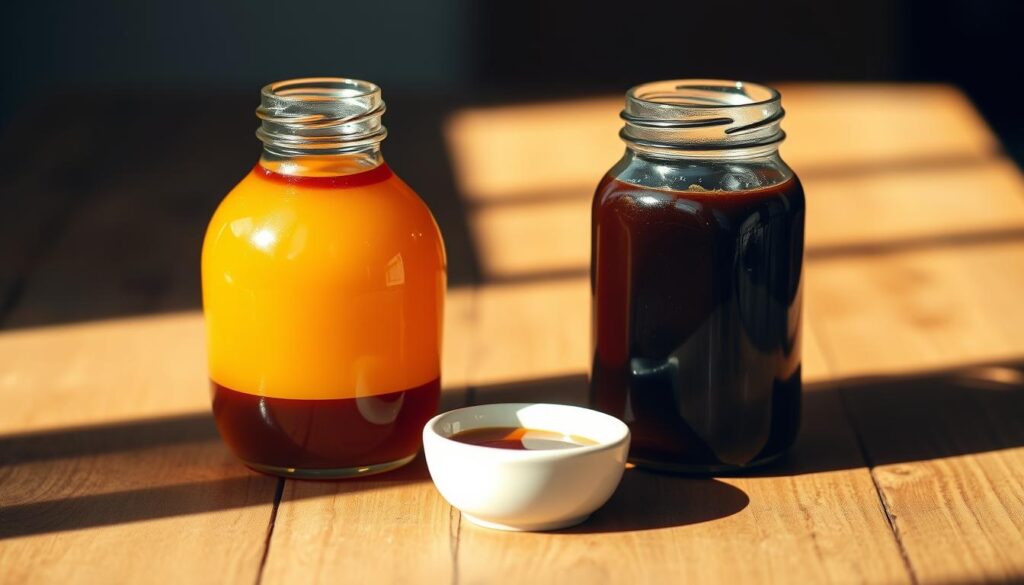
Maple syrup has a wide range of flavors. Light amber grades are sweet with hints of vanilla and caramel. Dark amber has a deeper, woodsy taste.
- Light Maple Syrup: Mild, buttery flavor
- Dark Maple Syrup: Rich, robust taste
- Blackstrap Molasses: Intense, slightly bitter profile
Molasses tastes very different. Lighter molasses is sweeter. Blackstrap molasses is deep and almost bitter, with mineral notes that chefs love.
| Sweetener | Primary Flavor Notes | Intensity Level |
|---|---|---|
| Light Maple Syrup | Delicate caramel, vanilla | Mild |
| Dark Maple Syrup | Robust maple, woodsy | Medium-Strong |
| Light Molasses | Sweet, mild | Mild |
| Blackstrap Molasses | Bitter, mineral-rich | Strong |
“The flavor of a sweetener tells a story of its origin, production, and cultural heritage.” – Culinary Artisan Magazine
Knowing the maple syrup vs molasses taste profiles helps both home cooks and chefs. It lets them pick the right sweetener for their dishes.
Culinary Applications: Best Uses for Each Sweetener
Maple syrup and molasses are natural sweeteners with unique flavors. They add special touches to many dishes. Knowing their differences helps cooks use them best in recipes.
Baking Applications
Maple syrup and molasses have special roles in baking. Maple syrup is great for:
- Pancakes and waffles
- Granola and breakfast breads
- Dessert glazes for cakes
- Cookie recipes needing moisture
Molasses is perfect for rich, deep flavors in baked goods like:
- Gingerbread cookies
- Dark, dense cakes
- Spiced muffins
- Traditional brown breads
Marinades and Sauces
Maple syrup and molasses are also great for savory dishes. Maple syrup makes tasty marinades for:
- Grilled meats
- Roasted vegetables
- Glazing salmon
Molasses adds a strong flavor to sauces, ideal for:
- BBQ sauce
- Meat glazes
- Caribbean-style cooking
Beverage Uses
Both sweeteners enhance drinks. Maple syrup is perfect for:
- Craft cocktails
- Coffee and tea
- Smoothies
Molasses adds depth to drinks like:
- Dark rum cocktails
- Spiced hot beverages
- Artisanal mixed drinks
Storage Methods and Shelf Life
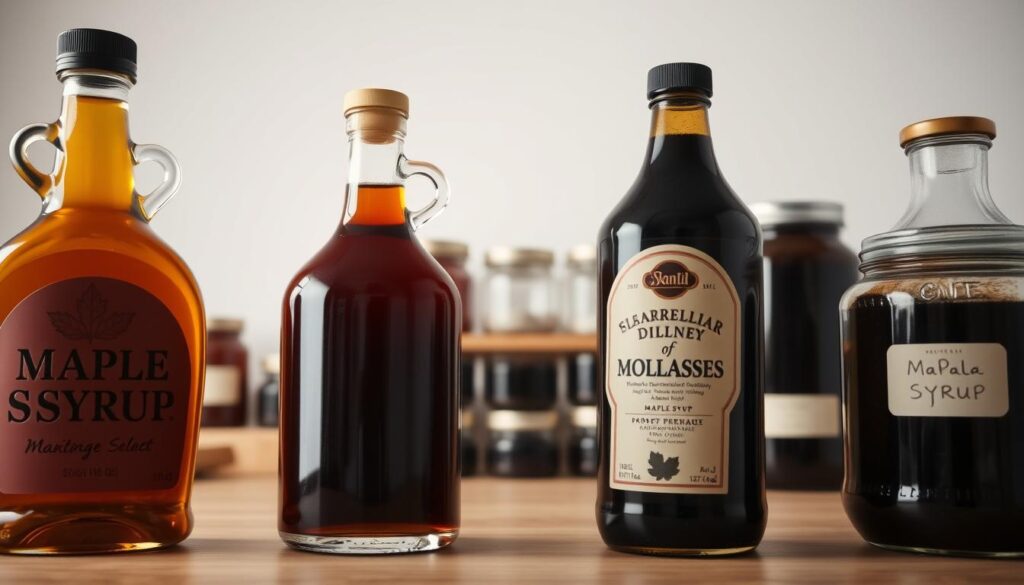
Storing maple syrup and molasses right is key to keeping them fresh. These natural sweeteners need special care to keep their flavors and health benefits.
Maple syrup should be kept cold to avoid spoilage. Unopened bottles can stay in a cool, dark place for up to a year. After opening, maple syrup must be refrigerated to stop mold and keep its taste.
- Store maple syrup in glass or food-grade plastic containers
- Keep away from direct sunlight and heat sources
- Refrigerate after opening to extend shelf life
Molasses lasts longer than maple syrup. It’s a must-have in many kitchens. Unopened molasses can stay good for a year at room temperature in a sealed container.
Signs of spoilage for both maple syrup and molasses include:
- Visible mold growth
- Off-putting smell
- Unusual texture or crystallization
Following the right storage tips can help you use maple syrup and molasses more. Glass containers are best for both, as they protect from light and keep out contaminants.
Pro tip: Always use clean, dry utensils when scooping to prevent introducing bacteria that could shorten shelf life.
Cost Comparison and Market Availability
Looking at the cost of Maple Syrup vs Molasses shows interesting insights. The prices and availability change based on several key factors. These factors affect what people choose to buy.
The prices of maple syrup and molasses differ a lot. This is because of how they are made and where they are made. Maple syrup is more expensive because it takes a lot of work to get it. It’s also only available for a short time each year.
Seasonal Price Dynamics
Maple syrup prices change a lot during the year. The best time to make maple syrup is in late winter and early spring. This is when maple trees in the northeastern United States start to flow sap.
This short time to harvest affects the price:
- Winter/Early Spring: Highest prices due to active production
- Summer/Fall: Lower prices during off-season
- Quality grades impact pricing significantly
Regional Availability Factors
Where you live affects how easy it is to find and buy these sweeteners. Some places are better at making and sending out these products.
| Sweetener | Primary Production Regions | Average Price Range |
|---|---|---|
| Maple Syrup | Vermont, New Hampshire, Quebec | $15-$25 per quart |
| Molasses | Southern United States, Caribbean | $3-$8 per quart |
The prices of maple syrup and molasses show more than just how much they cost to make. They also show cultural importance and farming traditions. When you buy these, think about these things too.
Environmental Impact and Sustainability
Maple syrup and molasses have more than just taste differences. They also have big impacts on the environment. Maple syrup is known for being good for the planet, helping forests and wildlife.
Maple syrup making is special because it works with nature. People tap maple trees carefully to get the sap. This way, trees can keep growing and making sap for many years. It’s a way to keep forests healthy and full of life.
- Maple forests act as critical carbon sinks
- Tree tapping supports forest health
- Minimal land disruption during production
Molasses, on the other hand, comes from farming sugar cane and sugar beets. This farming can harm the environment a lot. It uses a lot of land, water, and can damage soil.
- Extensive land use requirements
- Higher water consumption
- Potential soil degradation
Sustainable certifications are important in both industries. Some maple syrup makers join forest care programs. Sugar producers are also trying to farm better for the planet.
Responsible production is key to maintaining ecological balance in food systems.
Knowing how maple syrup and molasses are made can help us choose better. By picking sustainable options, we help protect our planet and support good farming.
Substitution Guidelines in Recipes
Baking with maple syrup and molasses needs careful thought. These natural sweeteners add depth and complexity to dishes. Knowing how to use them is key to success in the kitchen.
When using maple syrup and molasses, remember they’re not just sugar. They add moisture and flavor that changes the dish.
Conversion Ratios for Sweet Success
Substituting these sweeteners requires some planning:
- For maple syrup: Use 3/4 cup for every 1 cup of granulated sugar
- For molasses: Substitute 1 cup for every 1 cup of brown sugar
- Reduce liquid ingredients by 1/4 cup for every cup of syrup or molasses used
Texture and Moisture Considerations
Baking with these sweeteners affects texture. They make baked goods:
- More moist and dense
- Slightly darker in color
- Richer in flavor profile
Pro tip: Always lower the oven temperature by 25 degrees. This prevents over-browning and keeps the right balance of moisture and texture.
Common Misconceptions and Myths
Many people think maple syrup and molasses are the same when it comes to health. But, these natural sweeteners have different nutritional values. This can lead to misunderstandings about their health benefits.
Let’s look at some common myths about these sweeteners:
- Myth: Maple syrup and molasses are nutritionally identical
Reality: Each sweetener has its own nutritional profile. Maple syrup has more antioxidants and minerals than molasses. This makes maple syrup a bit healthier.
- Myth: Both sweeteners are equally unhealthy
While both are sweet, they offer different health benefits. Maple syrup has zinc and manganese. Molasses, on the other hand, is rich in iron.
- Myth: Dark molasses is always more nutritious
Blackstrap molasses does have more minerals. But, not all dark molasses is the same. It’s important to check the specific type.
Understanding the differences between maple syrup and molasses helps us make better food choices.
Nutrition experts say to eat both in moderation. They can be part of a healthy diet if used wisely.
The trick is to know their unique qualities. Then, use them in your cooking in a smart way.
Special Dietary Considerations
Finding the right sweetener can be tough, with options like maple syrup and molasses. Knowing what’s in them helps people with certain diets choose wisely.
Diets vary, and so do the needs for sweeteners. Let’s see how maple syrup and molasses fit into different diets:
- Vegan Diets: Both maple syrup and molasses are plant-based, making them great for vegans
- Paleo Diets: Maple syrup is often preferred because it’s less processed
- Low-Glycemic Diets: Molasses has a lower glycemic index than maple syrup
For those with diabetes, the sugar impact matters a lot. Molasses has more minerals and less sugar, which might help with blood sugar.
But it’s not just about sugar. Maple syrup vs molasses nutrition shows different benefits:
- Maple syrup has zinc and manganese
- Molasses is rich in iron and calcium
- Both have antioxidants
People with health issues should talk to nutritionists. They can help figure out which sweetener fits their diet best. Each has special benefits for different diets.
Conclusion
Looking into natural sweeteners shows us maple syrup and molasses are special. They each have their own taste, nutrients, and uses in cooking. This comparison shows they are more than just sugar substitutes.
Maple syrup comes from maple trees and tastes light and sweet. It’s also packed with good stuff for your body. Molasses, made from sugar cane, tastes deeper and richer. It’s also full of minerals.
Knowing the differences between maple syrup and molasses helps us choose better. Whether it’s maple syrup on pancakes or molasses in BBQ sauce, they add something special. Trying both opens up new flavors and health benefits.
In the end, maple syrup and molasses each have their own place in cooking. By understanding their unique qualities, we can make amazing dishes. This makes cooking at home truly special.