
Maple syrup lovers, rejoice! You can now enjoy the rich, distinctive flavor of maple without harming your health. Sugar-free maple syrup is a game-changer for those looking for healthy breakfast condiments that taste great.
Traditionalists love the sweet, complex notes of pure maple syrup. Now, new alternatives let you enjoy that flavor without upsetting your diet. These sugar-free syrups are a tasty way to make your morning meals better without the sugar worries.
The world of food has changed a lot, focusing on smarter, healthier choices. Sugar-free maple syrup is a great mix of nutrition and taste. It’s perfect for those on ketogenic, diabetic, or low-carb diets.
Imagine drizzling a syrup that tastes like traditional maple but doesn’t raise your blood sugar. These modern syrups use natural sweeteners like stevia and monk fruit. They offer a satisfying taste that’s close to the classic maple flavor you love.
Sugar-free maple syrup is great for everything from pancakes to waffles, and even sweetening your coffee. It brings back the nostalgic maple taste while helping you stay healthy. This shows that eating well can be both tasty and fun.
As you dive into this guide, you’ll learn about the world of sugar-free maple syrup alternatives. Get ready to change your breakfast routine and see maple flavor in a new light.
Understanding the Appeal of Traditional Maple Syrup
Maple syrup is more than a sweetener for pancakes. It has deep cultural roots and a unique production process. This has made it a favorite among food lovers for many years.
The Historical Significance of Maple Syrup
Native American tribes first made maple syrup centuries ago. They learned to extract sap from maple trees and turn it into a sweetener. They shared this knowledge with early European settlers, who then mastered tapping and boiling.
- Indigenous tribes in northeastern North America pioneered maple syrup production
- Traditional methods involved wooden spouts and clay containers
- Maple syrup became a critical trade commodity in early American settlements
Traditional Maple Syrup Production Methods
Making maple syrup is a precise and patient process. Sugarmakers pick mature maple trees, like sugar maples. They drill holes to get the sap, then boil it to make it sweeter.
| Production Step | Description |
|---|---|
| Tree Selection | Choose mature sugar maple trees |
| Tapping | Drill small holes and insert collection spouts |
| Sap Collection | Gather raw sap during spring months |
| Boiling | Reduce sap to create concentrated syrup |
Why People Love Maple Flavor
Maple syrup has a unique flavor that people love. It’s sweet and caramel-like. This makes it a top choice for pancakes and cooking.
Maple syrup’s history and production make it a treasured food. It connects us to traditional cooking methods.
Health Concerns Related to Regular Maple Syrup Consumption
Maple syrup might seem like a simple breakfast topping. But, its sugar content is a big health worry. A single serving can add a lot of sugar to your diet, affecting your health.
The main health risks of eating maple syrup regularly are:
- Rapid blood glucose spikes
- Increased risk of type 2 diabetes
- Potential weight gain
- Dental health complications
Nutritionists say too much sugar is bad for your body. A quarter-cup of traditional maple syrup has about 50 grams of sugar. This is way more than what most people should eat in a day.
People looking for healthier breakfast syrups are choosing Sugar-Free Maple Syrup. These options have the same maple taste but don’t harm your health or cause sugar-related problems.
“Choosing sugar-free alternatives can significantly improve your dietary health and metabolic balance.” – Nutritional Research Institute
Knowing these health risks helps you make better food choices. It helps prevent long-term health problems and keeps you healthy.
Introduction to Sugar-Free Maple Syrup
Maple syrup fans can now enjoy their favorite sweetener without worrying about sugar. Sugar-Free Maple Syrup is a big win for those watching their health and diet.
Regular maple syrup has a lot of sugar, which is hard for those watching their blood sugar. But, new natural sweeteners have changed the game. They keep the classic maple taste without the sugar.
What Makes Sugar-Free Alternatives Different
Sugar-Free Maple Syrup stands out because of its special ingredients and making process. It uses:
- Zero-calorie natural sweeteners
- Concentrated maple extracts
- Plant-based sugar substitutes
Common Ingredients in Sugar-Free Options
These syrups are made with careful mixing. They often include:
| Ingredient | Purpose |
|---|---|
| Stevia | Natural zero-calorie sweetener |
| Monk Fruit Extract | Low-glycemic sweetening agent |
| Natural Maple Flavoring | Authentic taste preservation |
Benefits of Making the Switch
Switching to sugar-free maple syrup has many benefits. You can enjoy:
- Less calories
- Stable blood sugar
- More diet options
- The same great maple taste
Natural sugar alternatives are a smart choice for a tasty, healthy breakfast. They let you enjoy your favorite flavors without the sugar.
Best Low-Carb Pancake Syrup Options Available Today
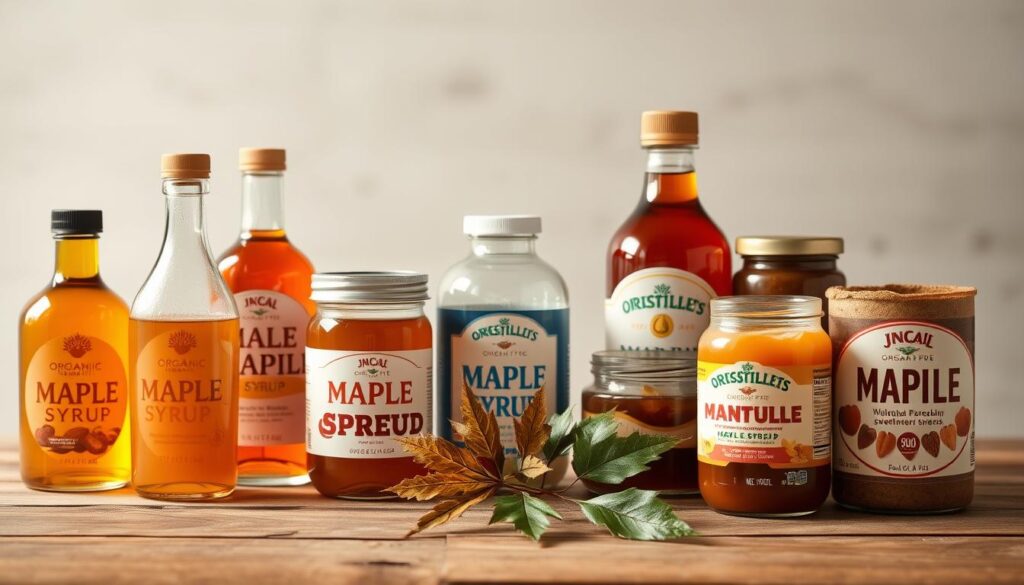
Finding the right Sugar-Free Maple Syrup is now easier for those who care about their health. Many brands offer tasty low-carb pancake syrup options. These options let you enjoy sweet flavors without hurting your diet.
Looking for the best low carb pancake syrup? You have many great choices:
- Lakanto Maple Flavored Syrup: Zero-calorie, monk fruit-sweetened option
- Walden Farms Calorie-Free Pancake Syrup: Popular zero-carb choice
- ChocZero Maple Syrup: Keto-friendly with no sugar alcohols
- Pyure Organic Maple Flavored Syrup: Stevia-based alternative
Each brand has its own special features. Lakanto uses monk fruit sweetener for a taste like real maple syrup. Walden Farms is calorie-free. ChocZero is perfect for keto diets because it’s made with clean ingredients.
For those who love the taste and texture of syrup, there’s good news. The best low carb pancake syrups now taste just as good as the real thing. This means you can enjoy sweet flavors without giving up on your diet.
“Finding a sugar-free syrup that tastes great is no longer a challenge,” says nutrition expert Dr. Emily Roberts.
Many people choose these syrups because they’re good for their diet. They have little to no carbs. This makes them great for different diets while keeping the sweet taste of maple syrup.
Natural Sweeteners Used in Sugar-Free Maple Alternatives
Exploring natural sugar alternatives has changed the game for Sugar-Free Maple Syrup. Food scientists have found new ways to make sweeteners that taste like real maple syrup but don’t have added sugars.
Now, people looking for healthier options have many choices. These natural sweeteners keep the rich taste of maple syrup but are better for your diet.
Monk Fruit: A Sweet Natural Wonder
Monk fruit is a standout natural sweetener. It comes from a melon in Southern China. This sweetener is special because it:
- Has zero calories
- Doesn’t raise blood sugar levels
- Is very sweet without a bitter taste
Stevia-Based Solutions
Stevia is another top natural sweetener for Sugar-Free Maple Syrup. It’s made from the Stevia rebaudiana plant. This sweetener is great because it:
- Is naturally made
- Has almost no calories
- Is very sweet
Additional Natural Sugar Substitutes
There are more natural sugar alternatives than just monk fruit and stevia. Some include:
| Sweetener | Calories | Glycemic Impact |
|---|---|---|
| Erythritol | 0.24 calories/g | Zero |
| Xylitol | 2.4 calories/g | Low |
| Allulose | 0.4 calories/g | Minimal |
*”Nature provides the sweetest solutions for health-conscious individuals.”*
These natural sugar alternatives let maple syrup fans enjoy their favorite tastes without sacrificing their health goals.
Making Your Own Sugar-Free Maple-Flavored Syrup at Home
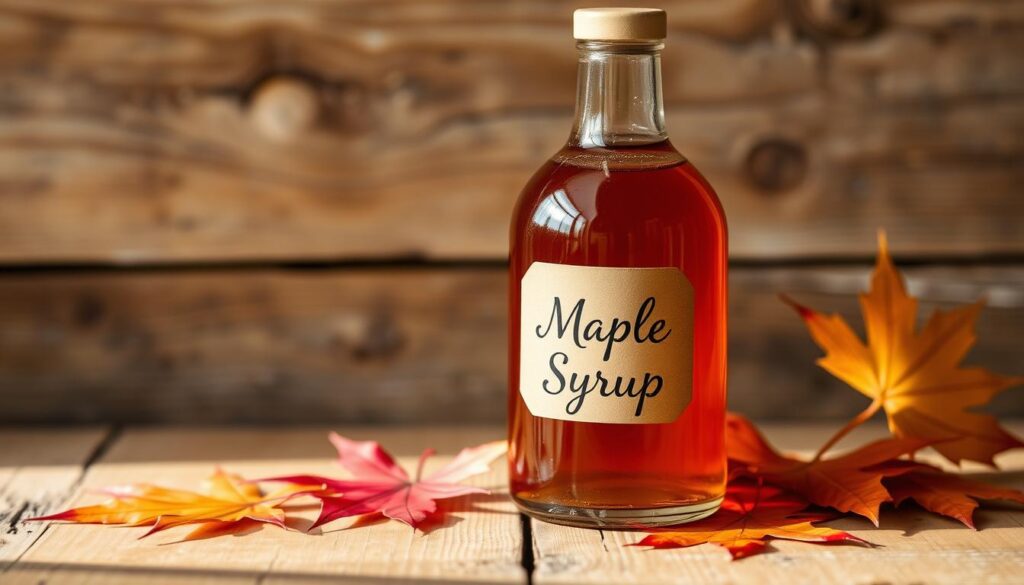
Making your own sugar-free maple syrup is simple. DIY maple-flavored sugar-free syrups are a tasty choice. They let you control what goes into your syrup and how it tastes.
First, gather these key ingredients for your homemade Sugar-Free Maple Syrup:
- Water
- Natural sweetener (monk fruit or stevia)
- Pure maple extract
- Xanthan gum (for thickening)
To make it, mix your sugar substitute with water and maple extract. Try different amounts to get the sweetness and maple flavor just right.
Here’s a quick guide to making maple-flavored sugar-free syrups:
- Put water and sweetener in a saucepan
- Heat until the sweetener dissolves
- Add maple extract
- Whisk in a bit of xanthan gum
- Cool it down and store in a glass container
Keeping your syrup fresh is important:
| Storage Method | Duration | Best Practices |
|---|---|---|
| Refrigerated | 2-3 weeks | Use airtight glass container |
| Room Temperature | 3-5 days | Keep away from direct sunlight |
Creating your own Sugar-Free Maple Syrup lets you customize it. You can change the sweetness, try different extracts, and enjoy a healthier syrup.
Keto-Friendly Pancake Toppings Beyond Syrup
Exploring keto-friendly pancake toppings opens a world of tasty options. These go beyond traditional Sugar-Free Maple Syrup. Fans of low-carb diets can make their breakfasts exciting with new and tasty choices.
Looking for new keto-friendly pancake toppings means stepping out of the syrup box. These options add flavor and health benefits that fit a keto diet.
Creative Sugar-Free Alternatives
- Nut Butter Drizzles: Almond and macadamia nut butters offer rich, creamy textures
- Whipped Cream Variations: Sugar-free whipped cream with vanilla extract
- Berry Compotes: Low-carb berry reductions using stevia or monk fruit sweeteners
- Cream Cheese Spreads: Flavored cream cheese with cinnamon or herbs
Texture and Flavor Combinations
Creating the best keto-friendly pancake topping is about mixing textures and flavors. The aim is to make something that tastes great and is good for you.
| Topping Category | Flavor Profile | Carb Content |
|---|---|---|
| Nut Butter | Rich, Creamy | 2-4g net carbs |
| Sugar-Free Compote | Fruity, Tangy | 1-3g net carbs |
| Whipped Cream | Light, Sweet | 0-1g net carbs |
Keto-friendly pancake toppings offer endless possibilities for tasty low-carb breakfasts. Trying different mixes leads to a meal that’s both healthy and delicious.
Nutritional Benefits of Switching to Sugar-Free Options
Exploring Sugar-Free Maple Syrup opens up a healthier world for breakfast. Traditional maple syrup is high in calories and sugar. But, new options offer a better way to sweeten your morning.
Sugar-Free Maple Syrup has many benefits beyond just fewer calories. It helps those watching their weight, blood sugar, and diet goals.
- Significantly lower calorie content compared to traditional maple syrup
- Minimal impact on blood glucose levels
- Zero artificial additives in natural alternatives
- Support for ketogenic and low-carb dietary approaches
Natural sweeteners like stevia and monk fruit have changed sugar-free choices. They add real sweetness without losing nutritional value.
| Nutritional Aspect | Traditional Maple Syrup | Sugar-Free Alternative |
|---|---|---|
| Calories per Serving | 52-54 calories | 0-5 calories |
| Sugar Content | 13-14 grams | 0 grams |
| Glycemic Index | 54 | 0-1 |
Choosing sugar-free alternatives is a smart move for a balanced diet. It keeps your meals tasty without harming your health.
How to Choose the Best Sugar-Free Maple Syrup Products

Finding the right Sugar-Free Maple Syrup can be tough for those watching their health. It’s important to look at several factors. These include taste, nutrition, and quality.
Choosing the best sugar-free maple syrup means knowing what makes it stand out. Look for what makes a product truly great.
Reading Labels with Precision
When looking for the best low carb pancake syrup, reading labels is key. Pay attention to:
- Total carbohydrate content
- Type of sweeteners used
- Ingredient transparency
- Natural flavor authenticity
Evaluating Price and Quality
Just because something is expensive doesn’t mean it’s the best. Look at:
- Ingredient quality
- Brand reputation
- Customer reviews
- Nutritional profile
Pro tip: Choose products with few artificial ingredients and natural sweeteners like stevia or monk fruit.
Making an Informed Selection
When picking Sugar-Free Maple Syrup, focus on real maple flavor, low carbs, and clean ingredients. The best syrup will taste great and fit your health goals.
Incorporating Sugar-Free Maple Flavors in Baking
Baking fans looking for sugar-free options now have great choices. Sugar-free maple syrup is a tasty substitute for traditional maple syrup. It lets you make delicious baked goods that are also good for your health.
To make old recipes work with new ingredients, you need to swap them carefully. Sugar-free maple syrup can be used in many ways in baking. It’s important to know how it works with other ingredients and recipes.
- Replace traditional maple syrup with sugar-free alternatives in a 1:1 ratio
- Adjust liquid measurements to maintain recipe consistency
- Select high-quality sugar-free maple syrup brands with natural sweeteners
There are many ways to add sugar-free maple flavors to breakfast baking. You can make keto-friendly muffins, low-carb cookies, and grain-free granola. These recipes can use sugar-free maple syrup made with monk fruit or stevia without losing flavor or texture.
Pro tip: Always taste-test your sugar-free maple syrup before integrating it into complex recipes to ensure optimal flavor profile.
Savory dishes can also get a boost from sugar-free maple syrup. Use it in marinades, glazes, and baked protein dishes. This adds to your cooking skills and helps you eat healthier.
Common Myths About Sugar-Free Maple Products
Exploring Sugar-Free Maple Syrup can be tricky, thanks to false information. Many people think natural sugar alternatives are not good for them. This stops them from trying healthier options.
People often think sugar-free maple products taste bad and are low quality. This fear comes from old artificial sweeteners that didn’t taste good.
Addressing Taste Concerns
Today’s natural sugar alternatives have changed sugar-free maple syrup. New sweetening methods make it taste just like the real thing:
- Monk fruit extracts provide natural sweetness
- Stevia-based solutions offer zero-calorie options
- Advanced flavor profiles mimic traditional maple syrup
Safety and Health Misconceptions
Health worries about sugar-free maple products come from old studies and wrong ideas about natural sweeteners.
| Myth | Reality |
|---|---|
| Artificial sweeteners are harmful | FDA-approved natural alternatives are safe when consumed in moderation |
| Sugar-free means taste sacrifice | Modern formulations provide excellent flavor experiences |
| No nutritional value | Many sugar-free maple syrups include added nutrients |
“Knowledge dispels fear. Understanding sugar-free alternatives empowers healthier choices.” – Nutrition Expert
Trying sugar-free maple syrup can lead to tasty, healthy choices. It meets your taste needs while helping you stay healthy.
Storage and Shelf Life of Sugar-Free Maple Alternatives
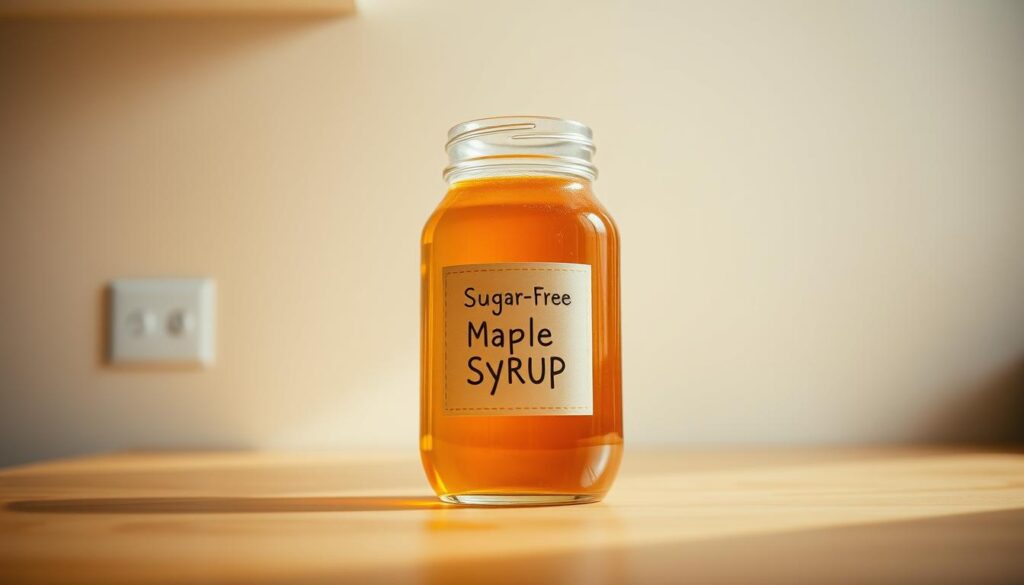
Keeping sugar-free maple syrup in good condition is key. It helps keep its taste and health benefits alive. This is important for those who love healthy breakfasts.
How you store sugar-free maple syrup matters a lot:
- Keeping it cool is vital for its quality
- Sealed containers stop bad smells and tastes
- Storage tips change for opened and unopened syrup
Unopened syrup can last 12-18 months in a cool, dark place. Most brands do best at room temperature. But once you open it, keep it in the fridge to stay fresh.
Watch out for these signs of bad syrup:
- A weird smell
- Mold
- Big color changes
- It starts to crystallize or separate
To keep your syrup fresh longer, always use clean tools. Close the container tightly after each use. The fridge can help it last up to 6 months after opening.
Pro tip: Always check the manufacturer’s specific storage recommendations, as guidelines can vary between brands.
Pairing Sugar-Free Maple Products with Different Foods
Sugar-Free Maple Syrup is super versatile, not just for breakfast. It can make any meal special with its unique taste. Try new and exciting ways to use these tasty toppings.
Start your day with a twist by using Sugar-Free Maple Syrup in new ways. Here are some cool ideas:
- Drizzle over Greek yogurt parfaits
- Mix into morning oatmeal
- Blend into protein smoothies
- Create unique salad dressings
For those who love savory dishes, sugar-free maple is a game-changer. It makes amazing glazes for meats like chicken, salmon, and pork.
| Food Category | Pairing Suggestion | Flavor Profile |
|---|---|---|
| Breakfast | Yogurt Parfait | Sweet & Creamy |
| Protein | Chicken Glaze | Tangy & Rich |
| Salad | Maple Vinaigrette | Bright & Balanced |
Experts say to use maple flavor wisely. A little goes a long way in making dishes delicious.
“Sugar-Free Maple Syrup isn’t just a topping—it’s a culinary adventure waiting to be explored.” – Gourmet Food Magazine
Try these sugar-free maple ideas to make your meals unforgettable.
Environmental Impact of Sugar-Free vs Traditional Maple Syrup
The making of sugar-free maple syrup brings up interesting environmental questions. Traditional maple syrup uses a lot of forest land. On the other hand, sugar-free syrups have their own ways of affecting nature.
When it comes to making Sugar-Free Maple Syrup, there are a few important environmental points:
- Less land is needed
- It uses less water
- It causes less harm to forests
- The making process is more controlled
Stevia and monk fruit, used in sugar-free syrups, show good for the planet. They need less land and water than traditional maple syrup.
Local maple syrup businesses might see big changes as people look for sugar-free options. This could lessen the need to cut down trees while keeping the maple taste.
For those who care about the planet, here are some tips for choosing sugar-free syrups:
- Look into the brand’s green practices
- Check how they source their ingredients
- See how their packaging affects the environment
- Choose brands that are open about their eco-friendly efforts
Knowing about the environmental side of maple syrup can help us make better choices. We can enjoy our favorite flavors while being kind to the earth.
Conclusion
Exploring sugar-free maple syrup is more than a diet choice. It’s a way to change breakfast traditions. These syrups let health-conscious people enjoy maple flavors without giving up on nutrition. The growth of Sugar-Free Maple Syrup shows how food science can make old favorites new again.
Today, people have many choices that are both tasty and healthy. Sugar-free maple products use natural sweeteners like monk fruit and stevia. This means you can enjoy breakfast classics, even if you’re on a keto, low-carb, or diabetic diet.
The future of breakfast is bright with these new syrup options. Companies are working hard to make Sugar-Free Maple Syrup that’s good for you and tastes great. Now, you can add these syrups to your meals and feel good about your choices.
As food tech gets better, sugar-free maple options will too. Choosing these products shows you care about your health and enjoy good food. It proves that eating well can also be delicious and fulfilling.